Navigating the Legal Maze: A Guide for Expats Starting a Business in the UK

So, you’re an expat with an entrepreneurial spirit, and the UK has caught your eye as the perfect place to launch your business. That’s fantastic! The UK offers a dynamic business environment, but it’s crucial to understand the legal landscape before you dive in. Don’t worry, we’re here to help you get a handle on the key requirements.
Understanding Business Structures
The first big decision you’ll face is choosing the right legal structure for your business. This choice impacts your liability, tax obligations, and administrative burden. Here are the most common options:





Sole Trader
As a sole trader, you are the business. This is the simplest structure, with minimal setup costs and paperwork. You keep all profits after tax, but you are personally liable for all business debts. This means your personal assets could be at risk if things go south. Expats can register as sole traders if they have the right to work in the UK.
Partnership
A partnership is similar to a sole proprietorship but involves two or more individuals sharing ownership and management. Profits are shared, and partners are generally jointly and severally liable for the business’s debts. There are different types of partnerships, such as general partnerships (GP) and limited liability partnerships (LLP), each with varying levels of liability.
Limited Company
This is a separate legal entity from its owners (shareholders). A limited company offers ‘limited liability,’ meaning your personal assets are protected if the company incurs debts. While more complex to set up and administer, it offers credibility and can be more tax-efficient for higher earners. Most expats choose this route for serious ventures.

Visa and Immigration Requirements
Before you even think about business registration, ensure you have the legal right to live and work in the UK. This is paramount. Most expats will need a specific visa that permits self-employment or starting a business. Common routes include:
- Innovator Founder Visa: For experienced business people seeking to establish an innovative, scalable, and viable business in the UK.
- Skilled Worker Visa (with restrictions): While primarily for employment, some skilled worker visas may allow supplementary self-employment, but usually not as the primary business activity.
- Global Talent Visa: For individuals endorsed as a leader or emerging leader in their field.
- Family Visas: If you’re on a spouse or family visa, you typically have the right to work and establish a business.
Crucially, always check the latest UK Home Office guidance or consult an immigration lawyer. Starting a business without the correct visa can lead to severe penalties, including deportation.
Company Registration (Companies House)
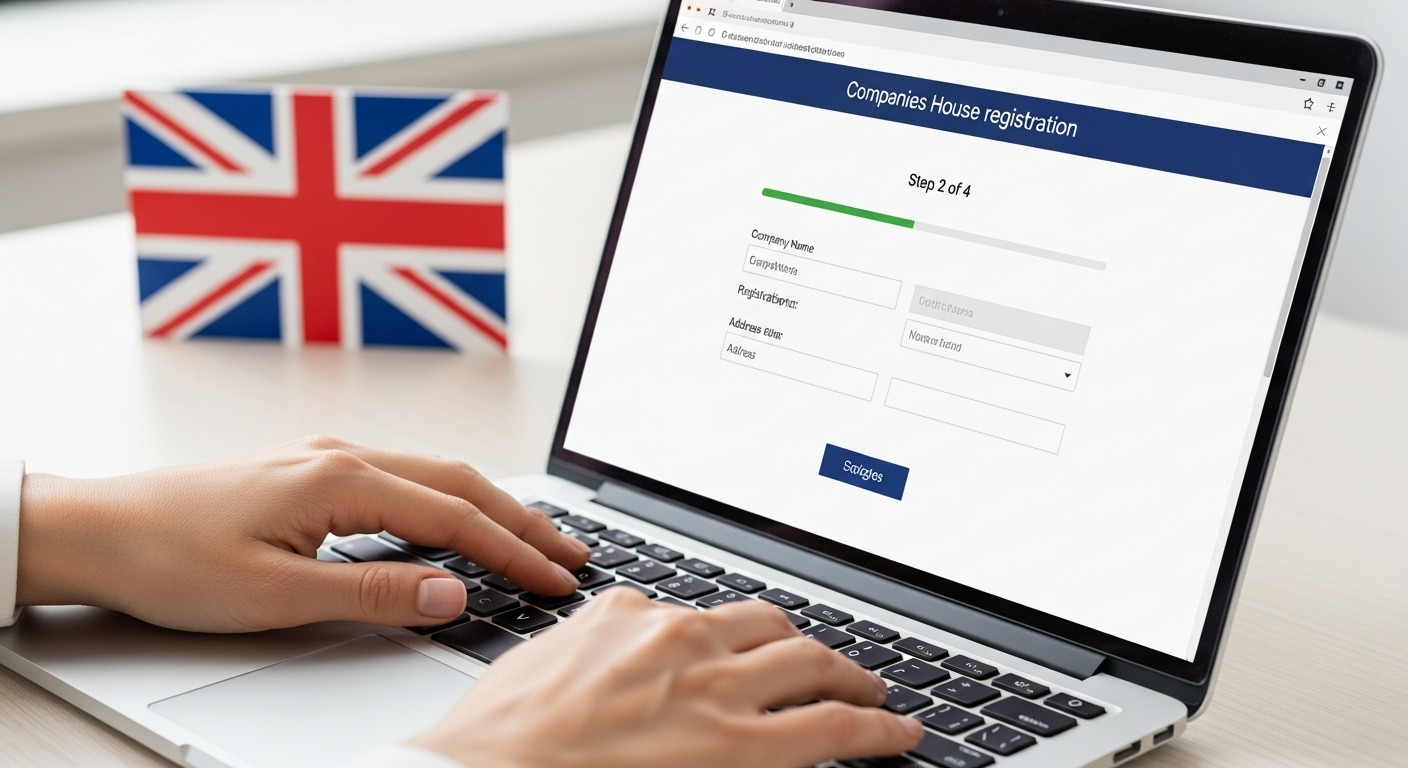
If you opt for a limited company, you’ll need to register it with Companies House. This involves:
- Choosing a Company Name: Ensure it’s unique and available.
- Appointing Directors and Company Secretary (optional): At least one director must be a natural person. There are no residency restrictions for directors.
- Having a Registered Office Address: This must be a physical address in the UK.
- Drafting Articles of Association: These are the rules governing the company.
- Issuing Shares: Decide on share capital and initial shareholders.
The registration process can be completed online, and it usually takes a few days. Once registered, your company will have a unique company number.
Tax Registration (HMRC)
Once your business structure is decided and registered (if applicable), you must inform HM Revenue & Customs (HMRC).
For Sole Traders and Partnerships
You’ll need to register for Self Assessment. This informs HMRC that you are self-employed and will be submitting annual tax returns.
For Limited Companies
Your company will be liable for Corporation Tax on its profits. HMRC is usually informed automatically when you register with Companies House, but you’ll need to activate your Corporation Tax account.
Other Taxes
- VAT (Value Added Tax): If your business’s turnover exceeds a certain threshold (currently £90,000 for 2024-25), you must register for VAT.
- PAYE (Pay As You Earn): If you plan to employ staff (or pay yourself a salary as a company director), you’ll need to register for PAYE to deduct income tax and National Insurance contributions.
Other Important Considerations
Don’t forget these vital aspects as you build your business:
- Business Bank Account: Keep your personal and business finances separate from day one. This is especially crucial for limited companies.
- Business Insurance: Depending on your industry, you might need public liability insurance, professional indemnity insurance, or employers’ liability insurance if you hire staff.
- Data Protection (GDPR): If you handle personal data of customers or employees, you must comply with UK GDPR and potentially register with the Information Commissioner’s Office (ICO).
- Intellectual Property: Protect your brand name, logo, and unique products/services through trademarks, patents, or copyright.
- Contracts and Legal Agreements: Have proper terms and conditions, client contracts, and employee agreements in place.

Wrapping Up
Starting a business in a new country can feel overwhelming, but with careful planning and by adhering to the UK’s legal requirements, you can build a thriving venture. Don’t hesitate to seek professional advice from accountants, solicitors, and immigration specialists. They can provide tailored guidance and ensure you’re compliant every step of the way. Good luck on your entrepreneurial journey in the UK!